Harmony closes its own blockchain and migrates the ONE token to the Ethereum network: what should holders do?
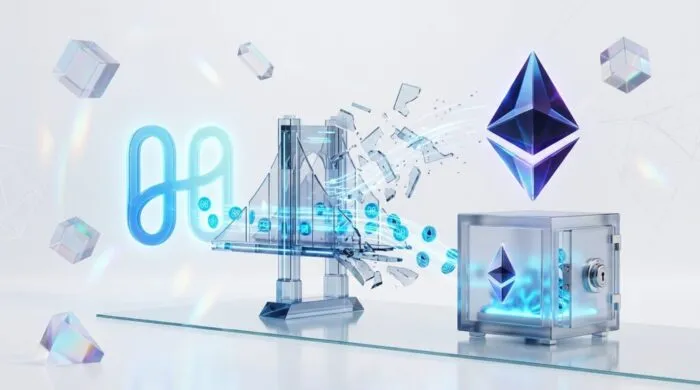
One of the once popular first-level blockchains, Harmony (ONE), has officially announced the winding down of its own main network and the re-issuance of the native ONE token as a standard ERC-20 contract based on Ethereum. The developers recognized the inappropriateness of further supporting the isolated L1 blockchain, the infrastructure of which was never able to fully recover from the historic hack of the $100 million Horizon Bridge cross-chain bridge, and called on the community to urgently migrate assets.
Why did the team decide to close-the-network and return-to-Ethereum?
In recent years, the Harmony ecosystem has faced a critical outflow of validators, developers and liquidity: the total volume of blocked funds (TVL) in the network has dropped to near zero levels, and maintaining a distributed network of servers has become economically unprofitable. Given the dominance of Ethereum-based L2 rollups, the project team decided to abandon the ambitions of a separate L1. The transition to the proven ERC-20 standard will allow holders to integrate the ONE token into the developed DeFi ecosystem of the Ethereum mainnet, decentralized exchanges (Uniswap, Curve) and hardware wallets without the risk of network failures.
How can users securely transfer their-ONE-tokens?
An official non-custodial migration portal has been launched for holders. To maintain access to their assets, users need to connect the wallet to the Harmony network, close all active positions in the liquidity pools on the DEX, withdraw tokens from staking, and send native ONE to the burn smart contract. In return, an equivalent number of new ERC-20 tokens is automatically credited to the specified address in the Ethereum network in a 1:1 ratio. Major centralized exchanges have also announced automatic conversion of spot account balances without the need for manual action on the part of clients.
What will happen to assets that-cannot-transfer-on-time?
The developers have set a strict schedule for the transition period: validators will stop producing blocks and finalizing transactions in test and main shards over the coming weeks. Assets remaining in the smart contracts of abandoned DeFi protocols or in the addresses of multi-signature smart accounts after the final stop of the consensus will be permanently blocked without the technical possibility of recovery. Cryptans are advised to immediately check their old wallets and complete the withdrawal.

The crypto market isn't just about numbers—it's a complex ecosystem where politics, technology, and economics intertwine. In my news coverage, I strive not merely to recount events, but to analyze their real impact on the market. My goal is to make cryptocurrency news clear, accessible, and objective.